How to Ensure Coaxial Cable Assembly Performance with High-Frequency Testing
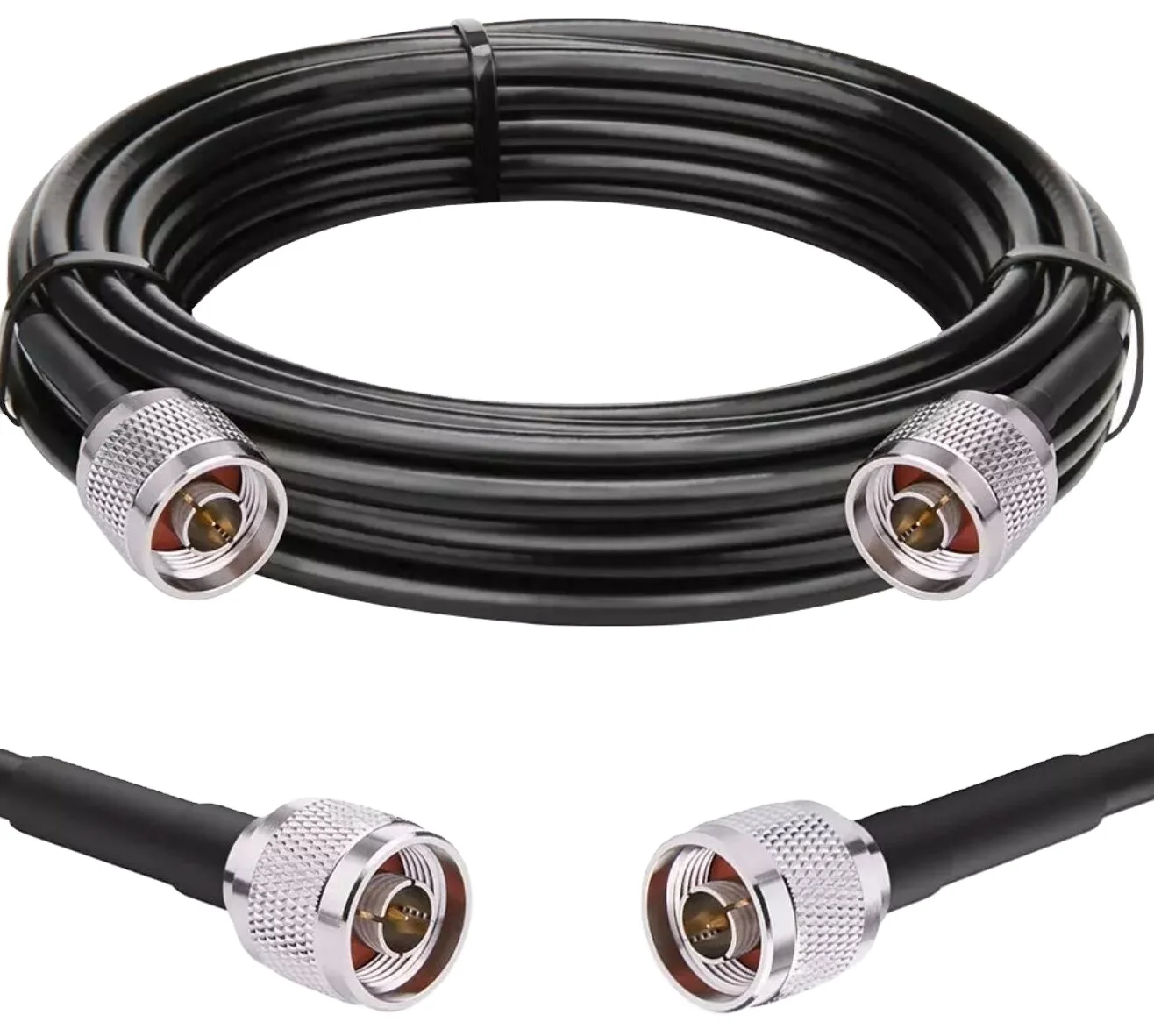
To ensure coaxial cable assemblies work well, high-frequency testing is a must. First, we need to understand what high-frequency means. It refers to signals that travel at very fast speeds, often in the megahertz or gigahertz range. This is important because many modern devices work with these fast signals. When we test coaxial cables, we look for a few key things. One important aspect is return loss, which tells us how much signal is reflected back instead of going through the cable. If the return loss is high, it means the cable is not working well. We also check for insertion loss, which shows how much signal is lost as it goes through the cable. A low insertion loss is what we want!
Another thing we look for is the cable’s impedance. This should match the devices it connects to. If the impedance is off, signals can get distorted, leading to poor performance. It’s like trying to fit a square peg in a round hole; it just does not work right. We also need to check the connectors on the cable. They must be secure and fit well to avoid any signal loss.
Testing should be done under different conditions. For example, we can test cables at different temperatures to see how they perform. This is important because cables can be used in many environments, from hot to cold. Proper setup for testing is also crucial. Using the right equipment and techniques can help us get accurate results.
At Coaxial cable, we believe in thorough testing to make sure our products are reliable. When we take these steps, we help our customers trust that the cables they use will work as they should. This not only improves their experience but also helps in building long-lasting relationships.
Where to Find Reliable High-Frequency Testing Services for Coaxial Cables
Finding a good place for high-frequency testing services is very important for anyone working with coaxial cables. There are a few things to think about when looking for these services. First, you want to choose a company with experience. They should know a lot about coaxial cables and how to test them properly. This way, you can be sure they will do a good job. Look for companies that use advanced technology and equipment for testing. This can make a big difference in the accuracy of the results.
You can start by searching online for companies that specialize in coaxial cable testing. Read reviews to see what other customers say about their experiences. It’s also helpful to ask for recommendations from people in the industry. They might know a reliable service that they have used before. Check if the company offers a variety of tests. The more tests they provide, the better you can understand how your cables are performing.
Good customer service is another important factor. You want a company that is easy to communicate with and is willing to answer any questions you might have. They should be able to explain the testing process and the results clearly. This is especially useful if you are not familiar with technical terms.
At Coaxial cable, we know that finding the right testing services can be challenging. That’s why we make sure to provide top-notch testing options and support. We want our customers to feel confident in their choices. When you find a reliable testing service, you can ensure your coaxial cables will perform well and meet the high standards needed in today’s technology.
What to Look for in High-Frequency Tested Coaxial Cables
When choosing coaxial cables, especially those designed for high-frequency use, it is important to know what to look for. High-frequency cables are used in many devices, such as televisions, radios, and internet connections. First, check the frequency range of the cable. This means how well the cable can handle different speeds of signals. A good coaxial cable for high-frequency use should handle signals in the gigahertz (GHz) range. This range can support faster data transfer and clearer signals.
Next, look for the cable's return loss. This tells you how much of the signal is reflected back instead of going through the cable. A lower return loss means better performance, as more of the signal is successfully transmitted. You also want to consider the cable's loss or attenuation. This is how much signal strength is lost as it travels through the cable. Lower attenuation means that the signal stays strong over long distances.
Check the cable's shielding too. Coaxial cables often have layers of shielding that protect the signals from outside noise and interference. The more effective the shielding, the less likely it is that other signals will disturb the one you want. Lastly, look for a reputable brand like Coaxial Cable that specializes in high-frequency cables. They are likely to have tested their products thoroughly to ensure they perform well.
How High-Frequency Testing Enhances the Reliability of Coaxial Cables
High-frequency testing is crucial for making sure coaxial cables work well. During testing, cables are put through various conditions to see how they perform. This helps to identify any issues that could cause problems later. For example, cables might be tested for how they handle temperature changes. If a cable gets too hot, it can affect the signals it carries. Testing helps find cables that can handle these changes better.
Another important part of high-frequency rf cable testing is checking for interference. Signals from other devices can affect the performance of coaxial cables. Testing helps make sure that the cables can keep signals clear and strong, even when there are other signals nearby. This is especially important for people who need reliable connections, such as in homes or businesses.
Testing also checks the durability of cables. Cables can be bent, pulled, or twisted, and some might break under stress. By testing cables in different ways, manufacturers can make sure their products are strong and last a long time. Coaxial cable companies often share results from these tests to show their customers that their products are reliable. This builds trust and helps buyers feel confident in their choices.
What are the Benefits of High-Frequency Testing for rg316 Coaxial Cable Assemblies?
High-frequency testing provides many benefits for coaxial cable assemblies. First, it ensures that the cables will work as intended. When cables are tested, any weak points can be found and fixed before the cables reach customers. This means that when you buy a coaxial cable, you can be more certain that it will perform well.
Another benefit is improved performance. Cables that have passed high-frequency tests are less likely to have issues like signal loss or interference. This leads to clearer and stronger signals, which is what users want. For example, if you are watching a movie or playing a game online, you want the best quality. High-frequency tested cables help make that happen.
There is also a safety component. Cables that are tested are less likely to rg58 cable cause problems that could lead to fires or other hazards. Companies like Coaxial Cable take safety seriously, ensuring their products are safe for everyday use. Lastly, high-frequency testing can save money in the long run. Even though tested cables might cost a little more upfront, they usually last longer and perform better. This means fewer replacements and repairs, which saves money over time. high-frequency testing is essential for ensuring coaxial cable assemblies are reliable, safe, and effective for all users.